Wardogs: How Season 2's Rain Rework Changes the Extraction Shooter
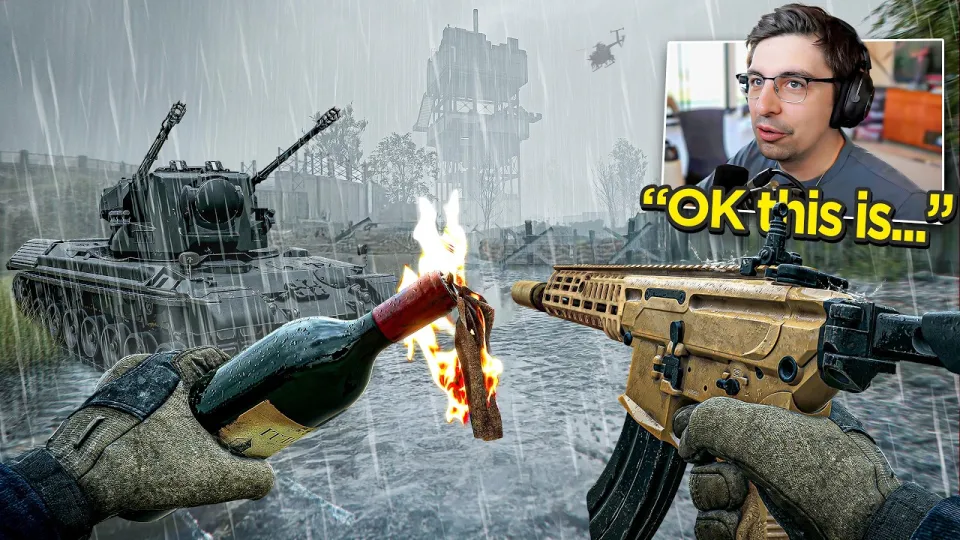
Video: Wardogs Is a Completely Different Game Now...
Need articles like this for your video? They help promote it on YouTube and Google — order them in the Telegram bot @sat_sit_bot. It writes articles around your video, embeds the video and publishes them on popular niche websites (no ads). Your first 50 articles are free.
· based on the channel shroud
Wardogs in Season 2 is a different game because of one addition: heavy rain. The new weather system cuts long-range visibility, reshapes map rotations, and turns every open-field fight into a close-quarters scramble, which is exactly what shroud and his squad ran into during their first rainy sessions. If you want to hear the full commentary track from those matches, the squad's audio breakdown is available on the shroud Spotify show.
What the Wardogs rain actually changes
The rain is not a cosmetic filter; it removes the information that most players built their entire playstyle around. In clear weather you can spot a silhouette at long range, hold an angle, and let a sniper do the work. Under the storm, that same sightline turns into grey noise. Players report losing track of targets at distances as short as roughly 190 meters, which is well inside what used to be comfortable sniping range.
The practical effects stack up quickly:
- Long-range optics lose most of their value, since you cannot reliably identify a target before it disappears into the haze.
- Sound becomes a bigger tell than sight, so footsteps, doors, and gunfire direction carry more weight.
- Rotations slow down because squads hug cover and buildings instead of crossing open ground.
- Thermal and infrared optics become premium gear, since heat signatures still read through the rain.
- Bridges, towers, and chokepoints turn into attrition fights where grenades and volume of fire beat precision.
Why squads are fighting for their lives in the rain
The rain turns familiar map locations into siege scenarios where defenders cycle raids and attackers bleed on every push. One common experience is holding a tower or a bridge approach while wave after wave of opponents probes the same angle, because nobody can see far enough to flank safely. The map does not change, but the way you read it does: a spot you used to cross without thinking becomes a landmark you only recognize once you are standing on it.
The squad-size math makes this worse. A group of around six friends on comms is usually up against roughly 20 opponents who are not necessarily coordinated with each other, but who arrive in enough numbers to overwhelm a fixed position. Fighting from a single building means constant reloads, constant callouts, and very little room to reposition.
HP ammo and the leg-shot problem
The most repeated mistake in rainy firefights is shooting the wrong part of the body with the wrong ammo. Armored opponents absorb torso and head shots from most standard loads, while HP (hollow-point) ammunition is designed to punish unarmored limbs. The correct sequence is simple: load HP, aim at the legs, and keep aiming at the legs until the target drops.
In practice, players call out the instruction, agree to it, and then empty a magazine into the chest anyway before declaring the weapon terrible. The PP-19 with HP rounds is a good example: used correctly it shreds legs and drops players fast, but treated like a standard rifle it feels weak. Two rules fix most of it:
- Bind a quick way to check your loaded ammo type before every engagement.
- Say the target zone out loud during the fight, not just before it.
Recoil control, ego pushes and other habits the rain exposes
The rain does not create bad decisions; it just makes the consequences arrive faster. Watching high-level play, the gap between a good player and an average one usually comes down to recoil discipline and patience. Spray patterns that stay tight at 30 meters in clear weather drift wide when you are guessing at silhouettes, so short controlled bursts beat full-auto commitments.
The other recurring habit is the ego push. Hearing a player inside a building and then walking in with your inventory open to repack magazines is a death sentence in any shooter, and the storm makes it worse because you cannot see the second and third defender waiting behind the first. If you commit to clearing a structure, clear it: grenade the corners, check the verticals, and reload only behind hard cover.
Typical questions from the Wardogs community
The most common doubts after the rain update are about gear and expectations. Players want to know whether sniping is dead, whether infrared goggles are now mandatory, and whether the weather is random or predictable per match. The short answers: long-range play is heavily reduced but not removed, thermal optics are significantly stronger than before, and the storm rewards players who adapt their loadout rather than forcing their old one. Many also ask whether the rain makes the game harder for casual squads; in practice it flattens the skill gap at range and pushes fights toward teamwork and callouts, which can help organized groups and hurt lone wolves.
Links from the video
Bottom line on the Wardogs rain update
The rain is the single biggest change to how Wardogs plays, because it removes the long-range certainty that most tactics were built on and replaces it with noise, chokepoints, and close fights. Squads that communicate, carry the right ammo, and switch to thermal optics will thrive; players who keep holding the same sniper angles will keep dying to opponents they never saw. The channel shroud documented these first rainy matches in detail, and the contrast with earlier, clearer lobbies is obvious. For more of that session audio and commentary, check the shroud Spotify show.
Key takeaways
- Season 2 of Wardogs introduces a heavy rain weather system that fundamentally changes how matches play out.
- Rain cuts visibility at range: targets become hard to spot even around 190 meters, gutting long-range sniping.
- Squads of around six players face lobbies of roughly 20 opponents, so group callouts matter more than ever.
- HP ammo aimed at the legs is the counter to armored targets, but players routinely forget it mid-fight.
- Infrared goggles gain value in the rain because thermal contrast survives the reduced visibility.
Source: Wardogs Is a Completely Different Game Now... · Markdown version
Questions & answers
Does the rain in Wardogs make sniping useless?
Not useless, but heavily reduced. Visibility drops enough that targets are hard to identify at around 190 meters, so long-range holds become unreliable. Snipers still work at medium distance and from elevated positions where you can track movement, but relying on a single far angle is no longer a viable plan.
Why do players keep dying after being told to shoot legs with HP ammo?
Because the instruction is given before the fight and forgotten during it. HP rounds punish unarmored limbs, so torso and head shots waste the advantage. The fix is mechanical: check your loaded ammo before engaging, and repeat the target zone out loud while firing instead of only planning it.
Are infrared goggles stronger in the rain?
Yes. Thermal contrast survives reduced visibility, so heat signatures remain readable while normal silhouettes blur into the haze. That makes infrared and thermal optics far more valuable in stormy matches than in clear weather, and they are worth carrying as a primary rather than a backup.
Is a six-player squad enough against a 20-player lobby in Wardogs?
It can be, but only with discipline. The larger group is rarely fully coordinated, so a tight squad on comms can win by holding chokepoints, forcing opponents into predictable pushes, and rotating together. Numbers still matter, so avoid open ground and never clear a building alone.