Valorant Competitive Highlights and Insights from the 2026 Champions Shanghai Playoffs
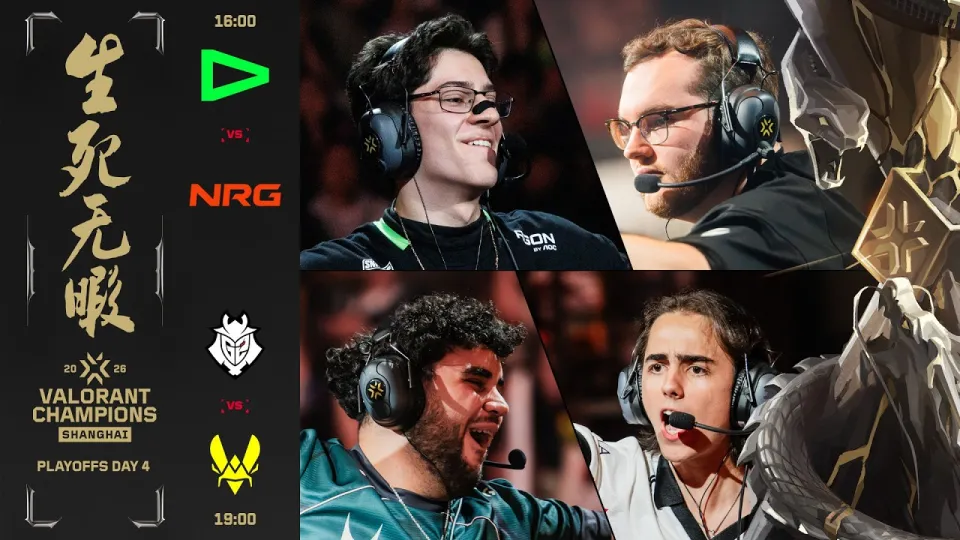
Video: [TH] LOUD vs NRG | G2 vs VIT - VALORANT Champions Shanghai - Playoffs Day 4
Need articles like this for your video? They help promote it on YouTube and Google — order them in the Telegram bot @sat_sit_bot. It writes articles around your video, embeds the video and publishes them on popular niche websites (no ads). Your first 50 articles are free.
· based on the channel VALORANT Esports Thailand
The 2026 VALORANT Champions Shanghai playoffs delivered intense matchups between some of the world’s top teams, including LOUD, NRG, G2 Esports, and Team Vitality. These matches highlighted the evolving strategies and individual skills that define the current competitive VALORANT scene.
Overview of the Playoff Matchups
The playoffs featured two high-stakes series: LOUD vs NRG and G2 Esports vs Team Vitality. LOUD and NRG engaged in a grueling best-of-three series across three distinct maps: Haven, Sunset, and Summit. Meanwhile, G2 Esports and Vitality battled on Abyss and Split, showcasing a mix of aggressive plays and tactical executions.
LOUD vs NRG Detailed Breakdown
LOUD and NRG’s matchup was notable for its length and competitiveness. The first map, Haven, extended to a 36:43 match time, indicating multiple overtimes and tense rounds. LOUD’s tactical flexibility on Haven enabled them to contest NRG’s aggressive pushes effectively.
The second map, Sunset, lasted over an hour, emphasizing strategic depth and endurance. Both teams displayed strong site control and clutch plays, pushing the game to its limits. The final map, Summit, was another long contest, where individual skill and team coordination ultimately decided the outcome.
G2 Esports versus Team Vitality Insights
G2 and Vitality’s series featured two maps: Abyss and Split. The Abyss map extended for nearly four hours, underscoring the defensive setups and calculated aggression from both sides. Vitality’s players demonstrated exceptional mechanical skill and map control, often dictating the pace.
On Split, the match lasted almost an hour, with both teams adapting quickly to each other’s strategies. Vitality’s strong mid-round decision-making and utility usage were key factors in their successful plays against G2.
Tactical Trends and Team Performances
Across these matches, several tactical trends emerged in 2026’s competitive VALORANT:
- Map Pool Diversity: Teams are increasingly proficient on a wider range of maps, including newer or less commonly played ones like Sunset and Summit.
- Extended Overtime Matches: Several maps went into extended overtimes, showing how evenly matched the top teams are.
- Utility Usage and Mid-Round Adaptations: Effective use of agent abilities and mid-round calls became crucial for gaining advantages.
- Individual Clutch Plays: Key moments often came down to clutch plays from star players, highlighting the importance of individual skill.
Common Questions About VALORANT Competitive Play
Many viewers wonder about the factors influencing team success and map choices in tournaments. For example, Team Vitality’s strong showing this year stems from their innovative strategies and solid teamwork, making them a formidable contender. Additionally, map strategies like site execution and defensive setups are constantly evolving, requiring teams to adapt quickly.
Conclusion
The VALORANT Champions Shanghai playoffs delivered thrilling, high-level gameplay from globally recognized teams. Matches like LOUD vs NRG and G2 Esports vs Vitality demonstrated the game's competitive depth and the ongoing evolution of strategies in VALORANT’s esports scene. For detailed analyses and up-to-date coverage, the channel VALORANT Esports Thailand provides excellent insights and highlights from these events.
Key takeaways
- VALORANT Champions Shanghai playoffs featured LOUD vs NRG and G2 Esports vs Vitality.
- LOUD and NRG played a highly competitive three-map series including Haven, Sunset, and Summit.
- G2 Esports and Team Vitality faced off on maps Abyss and Split in the playoffs.
- Team Vitality showed strong performance and strategic depth in the 2026 tournament.
- The event showcased top-tier gameplay and metagame developments in competitive VALORANT.
Source: [TH] LOUD vs NRG | G2 vs VIT - VALORANT Champions Shanghai - Playoffs Day 4 · Markdown version
Questions & answers
What maps were played during the LOUD vs NRG series in the VALORANT Champions Shanghai playoffs?
LOUD and NRG played three maps: Haven, Sunset, and Summit. Each map was highly competitive, with extended match times indicating intense battles and overtime rounds.
How did Team Vitality perform against G2 Esports in the playoffs?
Team Vitality showed strong performance, particularly on the maps Abyss and Split. Their effective mid-round decision-making and utility usage helped them challenge G2 Esports effectively throughout the series.
Why are some VALORANT matches so long, sometimes lasting over an hour or more?
Matches can extend due to close scores and multiple overtime rounds. High-level teams tend to be evenly matched, and defensive plays combined with tactical utility usage often prolong rounds and maps.
What are the current tactical trends seen in competitive VALORANT in 2026?
Key trends include diverse map proficiency, extended overtime matches, advanced utility usage, mid-round adaptations, and the increased influence of individual clutch plays, reflecting the evolving metagame.