How a 40,000-Hour Trio Controls a Rust Server in 2026
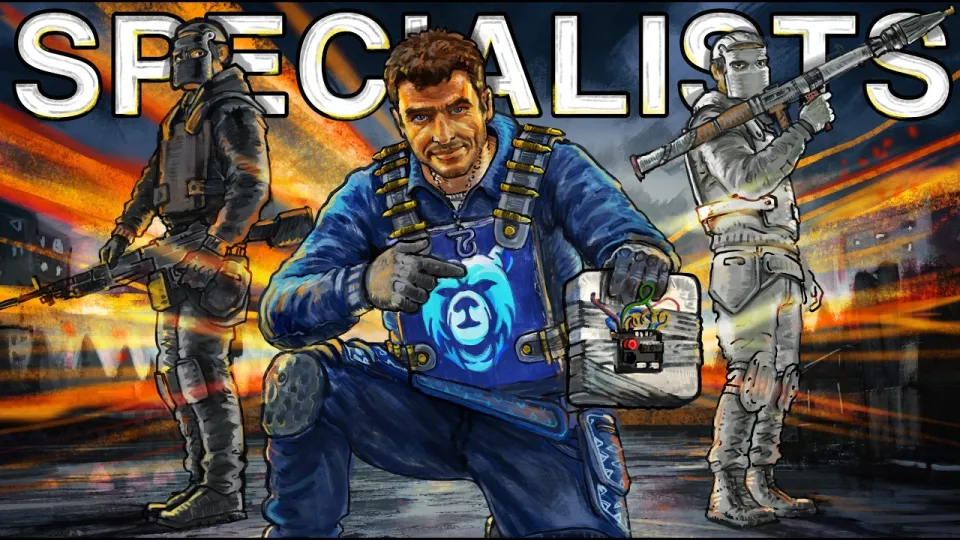
Video: How a 40,000-Hour Trio CONTROLS a SERVER - Rust
Need articles like this for your video? They help promote it on YouTube and Google — order them in the Telegram bot @sat_sit_bot. It writes articles around your video, embeds the video and publishes them on popular niche websites (no ads). Your first 50 articles are free.
· based on the channel Blooprint
A 40,000-hour trio controls a Rust server by turning routine wipe progress into coordinated map pressure. Blooprint, Disfigure and Nine combine deep game knowledge, fast decision-making and constant online raids to dominate a 500+ population server. You can watch Blooprint live on Twitch to see the same approach in real time.
What 40,000 hours of Rust experience actually buys
Hours alone do not win fights, but they remove hesitation. A trio with tens of thousands of combined hours already knows the map flow, loot routes, raid costs and the timing of every major monument. That means fewer wasted runs, faster crafting decisions and cleaner comms when a fight starts. Blooprint, Disfigure and Nine do not need to experiment with every base design or weapon meta; they default to what works and adjust only when the server pushes back.
The practical result is speed. While most groups are still setting up furnaces, a high-hour trio is already contesting crates, locking down a compound and planning the first raid. On a 500+ pop server, that early tempo matters more than raw aim because it forces other players to react instead of build.
How the trio takes over a 500+ pop server
Server control in Rust is not one big fight; it is a chain of small advantages. The trio builds in a strong location, secures enough boom for early raids and then uses those raids to snowball into better gear. Each successful online raid does two things: it removes a competitor and it funds the next raid. Blooprint's group keeps that cycle going by picking targets that are worth the explosives and by avoiding fights that cost more than they return.
Three players also cover each other's weaknesses. One can scout, one can hold the raid line and one can manage loot and defense. With 40,000 hours between them, those roles switch without discussion. That flexibility is why the trio can dominate a high-population server without needing a large clan.
The online raid that defines the wipe
Online raids are where server control becomes visible. Defending players have numbers and home advantage, so the attacking trio must control the clock: breach fast, cut off rotations and deny the defender a chance to regroup. Blooprint's group leans on prepared raid bases, clear explosive counts and disciplined pushes rather than chaotic all-ins. When the raid ends, the loot is secondary to the message it sends; other groups on the server start avoiding the trio's territory.
That reputation is a resource. Once a server knows a trio will actually online raid instead of offline raiding, the political map changes. Neighbors either ally, move or prepare. The trio uses that fear to hold more space with fewer players.
Common questions from viewers and new players
Viewers often ask whether this level of control is possible without 40,000 hours. The honest answer is that hours help, but the repeatable skills are simpler: learn one base design, learn one raid cost table and practice comms. Another common doubt is gear fear. The trio roams with high-tier weapons because they treat gear as a tool, not a trophy; losing a kit is a cost of doing business, not a disaster.
Some viewers also wonder about the "river lurkers" and other opportunist players who suddenly show up geared. In Rust, a single lucky fight or a stolen kit can change a player's wipe, so a surprise M2 or L9 is not automatically suspicious. The lesson for new players is to keep pressure on, because one good trade can fund an entire session.
Why this wipe feels like old-school Rust
The video captures a style of Rust that many veteran viewers miss: a small group roaming with top-tier gear, taking real risks and making every fight matter. Blooprint's return to M2 and L9 roams reminds longtime fans why they started watching. It is not about a massive clan or a safe compound; it is about three players who trust each other enough to push fights that most groups would avoid.
That nostalgia is also a practical blueprint. The trio shows that map control comes from confidence and preparation, not from hiding behind walls. For players stuck in a defensive loop, the takeaway is to spend gear, take fights and convert wins into pressure.
Useful links
Final thoughts
A 40,000-hour trio controls a Rust server by converting experience into tempo, coordination and reputation. Blooprint, Disfigure and Nine show that a fresh wipe does not need a grand plan if the group can read the server and act faster than everyone else. The channel Blooprint built this breakdown around is a useful reference for players who want to study high-level trio play. For live sessions and the same aggressive style, follow Blooprint on Twitch.
Key takeaways
- Blooprint, Disfigure and Nine bring roughly 40,000 combined hours to a 500+ pop Rust server.
- The trio starts a fresh wipe with no major ambitions but quickly takes over the competition.
- Their edge comes from game knowledge, fast decision-making and coordinated online raids.
- The video shows how experienced players read fights, manage gear and keep pressure on rivals.
- Blooprint streams live on Twitch at twitch.tv/blooprint.
Source: How a 40,000-Hour Trio CONTROLS a SERVER - Rust · Markdown version
Questions & answers
Do you need 40,000 hours to control a Rust server as a trio?
No. Hours help with map knowledge and decision-making, but a trio can compete by mastering one base design, learning raid costs and practicing clear comms. The biggest difference is tempo: act early and keep pressure on other groups.
Why do high-hour players roam with M2 and L9 instead of saving them?
Experienced players treat high-tier gear as a tool for taking fights and generating more loot, not as a trophy. Gear fear slows decision-making, while controlled aggression creates opportunities to snowball.
Is it suspicious when a random player suddenly shows up with top-tier gear?
Not necessarily. In Rust, one lucky fight, a stolen kit or a successful counter-raid can instantly upgrade a player's loadout. High-pop servers create constant gear circulation, so surprise weapons are common.
What makes online raiding so important for server control?
Online raids remove competitors and fund the next raid, but they also build reputation. When other groups know a trio will raid online, they avoid that territory, which lets a small team hold more map space with fewer players.